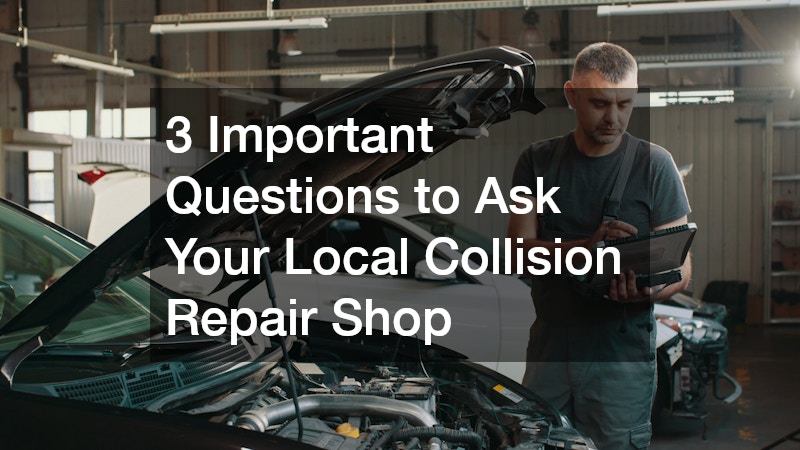
After an accident, getting your vehicle back on the road safely and efficiently becomes a top priority. Choosing the right repair facility plays a critical role in protecting your investment and ensuring your car performs as intended. Not all body shops operate with the same standards, equipment, or level of expertise. Before committing to repairs, it is essential to ask informed questions that clarify the shop’s qualifications, processes, and customer protections. Taking the time to evaluate your local collision repair shop carefully can help you avoid delays, hidden costs, and subpar workmanship.
1. Are You Properly Certified and Experienced With My Vehicle?
One of the first questions to ask any collision center concerns certification and training. Modern vehicles are complex machines equipped with advanced driver assistance systems, lightweight materials, and manufacturer-specific repair requirements. A reputable collision repair shop should be able to clearly explain its certifications, technician training, and experience with your particular make and model.
Manufacturer certifications demonstrate that technicians have received specialized instruction and that the facility meets strict equipment and repair standards. These certifications often require ongoing education, which ensures the team stays current with evolving automotive technology. If your vehicle includes features such as lane departure warning, adaptive cruise control, or automatic emergency braking, proper recalibration after repairs is essential for safety. Asking about diagnostic and calibration capabilities helps confirm the shop can restore these systems accurately.
In addition to certifications, inquire about hands-on experience. A shop that frequently works on vehicles similar to yours is more likely to understand common damage patterns and manufacturer-recommended repair procedures. Experience also influences efficiency, as seasoned technicians can identify structural concerns that may not be obvious at first glance. Clear, confident answers to these questions signal professionalism and technical competence.
2. What Is the Repair Process and Timeline?
Understanding how the repair process unfolds can prevent miscommunication and frustration. Ask the shop to outline each stage of the repair, from initial inspection to final quality control. A transparent explanation demonstrates organization and accountability.
The process typically begins with a thorough damage assessment. Some damage may be visible, while additional issues can emerge once the vehicle is disassembled. A reliable local collision repair shop will explain how supplemental estimates are handled if hidden damage is discovered. This protects you from unexpected costs and clarifies how insurance approvals are managed.
Next, ask about parts sourcing. Will the shop use original equipment manufacturer parts, aftermarket components, or recycled parts? Each option has cost and performance considerations. Understanding what will be installed in your vehicle allows you to make an informed decision that aligns with your priorities and insurance coverage.
Timeline expectations are equally important. While exact completion dates can depend on parts availability and insurance processing, the shop should provide a reasonable estimate based on experience. Ask how they communicate updates. Consistent progress reports help reduce uncertainty and demonstrate customer service commitment. Clear scheduling practices also indicate that the facility manages its workload effectively rather than overpromising and underdelivering.
3. What Warranties and Customer Protections Do You Offer?
Repairs following a collision represent a significant financial investment. For that reason, warranty coverage is a crucial topic to discuss. A professional shop should stand behind its workmanship with a written guarantee. This warranty often covers labor and may extend for as long as you own the vehicle.
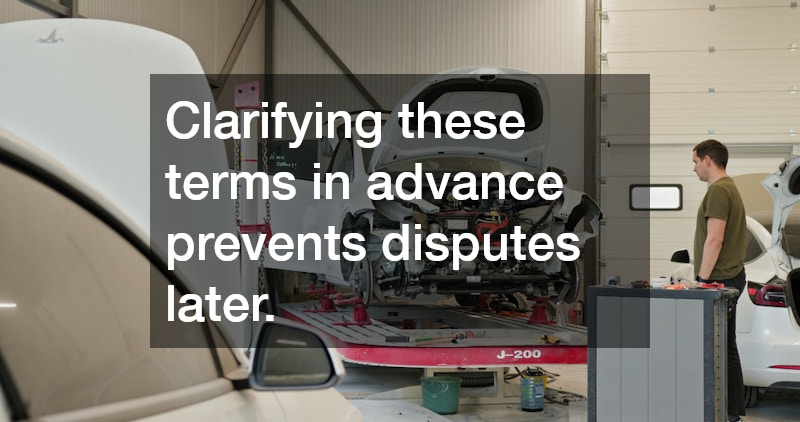
Ask for specific details about what the warranty includes and excludes. Does it cover paint defects such as peeling or fading? Are structural repairs included? Clarifying these terms in advance prevents disputes later. A confident, comprehensive warranty reflects the shop’s belief in its repair quality.
Insurance coordination is another area to address. Many facilities work directly with insurers to streamline claims processing. However, it is important to confirm that you retain the right to choose your repair provider. A reputable shop will respect your decision and assist with documentation rather than pressuring you into specific arrangements.
Selecting the right repair facility requires more than comparing estimates. By asking focused questions about certifications, repair procedures, timelines, warranties, and customer protections, you gain a clearer understanding of how a shop operates. An experienced local collision repair shop will welcome these inquiries and provide detailed, transparent answers. Taking this proactive approach not only safeguards your vehicle’s structural integrity and performance but also ensures peace of mind throughout the repair process.