The immediate aftermath of a car crash is a blur of adrenaline, confusion, and sudden stress. Within a matter of seconds, your routine drive is replaced by a chaotic environment where your heart is racing and your mind is struggling to process what just happened. This initial window of time is what emergency responders often refer to as the golden hour. The choices you make during these critical moments, as well as over the subsequent days, can profoundly impact your physical health, your legal rights, and your financial future. Having a clear, structured game plan allows you to cut through the panic and protect yourself systematically, ensuring your safety is prioritized, your vehicle is correctly restored, and your financial interests are fully protected.
While the stress of a vehicular mishap can feel paralyzing, taking a proactive approach to your recovery process changes everything. Gathering your thoughts and focusing on systematic property and health assessments will put you back in the driver’s seat of your life. This guide serves as your comprehensive playbook for handling the logistical, legal, and mechanical hurdles that lie ahead.
Immediate Steps at the Scene: Prioritizing Safety and Documentation
Secure the Scene and Check for Injuries
Your absolute highest priority following any collision is the preservation of life and limb. Before you worry about dented bumpers or insurance cards, take a deep breath and assess yourself and your passengers for injuries. If the vehicles are operable and the accident is minor, carefully move them out of the active lanes of traffic to the shoulder or a nearby parking lot. Leaving cars sitting in the middle of a busy highway drastically increases the risk of a secondary, often more severe, collision. Turn on your hazard lights immediately to warn oncoming motorists. Once the scene is physically secured, call the police to ensure an official, objective accident report is filed.
Master the Art of On-Scene Documentation
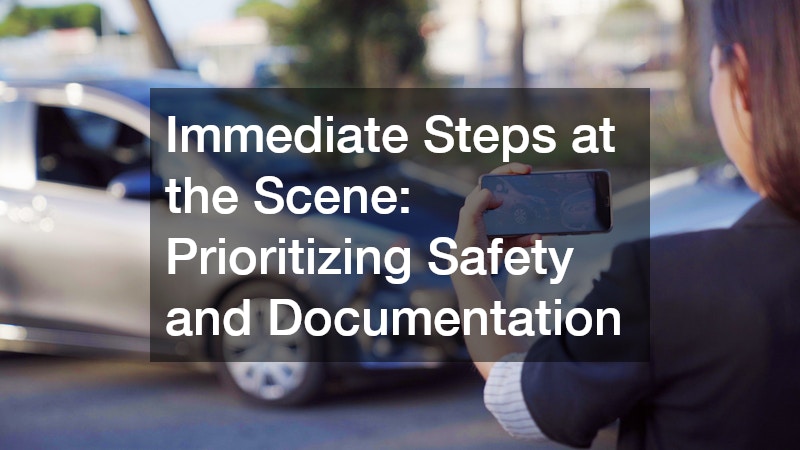
While waiting for law enforcement to arrive, you must become a meticulous data collector. Use your smartphone to document the scene extensively. Capture wide angles of the entire intersection or roadway layout, close-up shots of the damage to all involved vehicles, and images of skid marks, broken debris, traffic signs, or weather conditions. When exchanging information with the other driver, collect their full name, contact information, driver’s license number, insurance company name, and policy number. Crucially, limit your conversation strictly to this exchange of data to avoid inadvertently admitting fault.
Safely Transporting Your Inoperable Vehicle
If your car cannot be safely driven away from the scene due to fluid leaks, deployment of airbags, or severe structural damage, you will need to arrange transport. To protect yourself from predatory scams, always call your insurance provider’s roadside assistance line or a reputable local car towing service directly to coordinate the pickup. Before the vehicle is secured, take a final set of photos showing exactly how the car looks as it sits on the roadway. Clearly instruct the driver where to take the vehicle, whether to your home or directly to an authorized, certified repair facility where a comprehensive damage appraisal can begin.
Navigating the Claims Process and Professional Assessments
Reporting the Incident to Your Insurance Provider
Once you are safely away from the scene, you need to initiate the insurance claims process. Contact your insurance agent or use your provider’s mobile app to file a report as soon as possible, ideally within twenty-four hours of the incident. When speaking with the insurance representative, stick strictly to the verifiable facts of the event. Keep a dedicated notebook to log every single interaction, including the dates and times of calls, the names of the adjusters assigned to your case, and a claim number that references your file.
Navigating Modern High-Tech Damage Appraisals
Modern automotive collision facilities rely heavily on digital vehicle inspections to accurately assess the true health of your car after an impact. This high-tech assessment process utilizes advanced software, high-resolution photography, and sometimes even three-dimensional laser scanning to create an incredibly detailed digital blueprint of the damage. These comprehensive digital reports are sent directly to your smartphone and your insurance adjuster simultaneously, providing transparent, visual proof of broken internal components, cracked structural pillars, and bent brackets that are completely invisible from a casual external walkaround.
Restoring Structural Integrity and Exterior Visuals
Correcting Structural and Frame Alignment
A vehicle’s exterior panels are designed to look beautiful, but the underlying structure is what actually keeps you alive during an impact. Modern cars are built with engineered crumple zones designed to absorb and redirect the violent kinetic energy of a crash away from the passenger cabin. During the structural phase of collision repair, specialized technicians place your vehicle onto a heavy-duty alignment rack. Using computerized measuring systems that reference the manufacturer’s original factory specifications down to the exact millimeter, they carefully pull and reshape the high-strength steel back into its precise geometric configuration.
Fixing Exterior Metal and Cosmetic Damage
Once the hidden skeleton of the car is perfectly straight, technicians turn their attention to restoring the exterior skin. Professional auto body repairs involve a blend of traditional metal craftsmanship and advanced materials technology. Technicians will evaluate whether a dented panel can be meticulously massaged back to its original shape using paintless dent removal techniques or if the structural integrity requires a complete panel replacement with original equipment manufacturer parts. This stage is not merely about making the vehicle look pristine again; it is a critical step in environmental protection, as a deep scratch or dent that exposes raw metal will quickly fall victim to moisture and rapid rust formation.
Addressing Compromised Glass and Specialized Seals
The glass in your vehicle is far more than a simple window to look through; it is an active structural component of the passenger safety cell. When dealing with a cracked or shattered front viewing area, getting high-quality replacement windshields installed by certified technicians is non-negotiable. Modern glass replacement is incredibly complex due to the integration of Advanced Driver Assistance Systems. The cameras, radar sensors, and lasers that control your lane-keep assist and automatic emergency braking are frequently mounted directly behind the glass. After the new glass is secured with specialized structural adhesives, technicians must perform a meticulous electronic calibration to ensure these safety sensors see the road ahead with absolute accuracy.
Addressing Hidden Mechanical and Drivetrain Damage
Inspecting the Engine Bay and Vital Fluid Systems
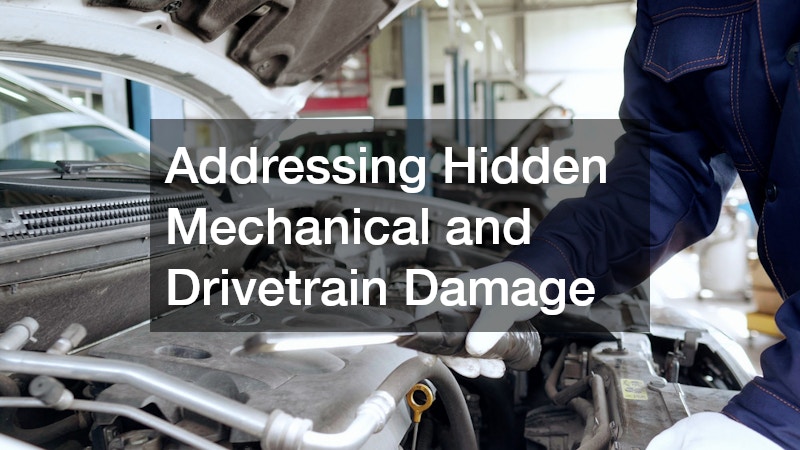
While the external sheet metal usually absorbs the visual brunt of an accident, the mechanical heart of your car can suffer severe internal trauma. Front-end impacts can easily shove the radiator into the engine block, slice through air intake plumbing, or puncture vital fluid lines.
-
Check the radiator and cooling fans for cracks, structural distortion, or green/orange fluid leaks.
-
Inspect the battery housing to ensure it has not cracked or leaked highly corrosive acid onto electrical wiring.
-
Examine the air filter box and surrounding intake tubes for fractures.
A comprehensive post-accident mechanical evaluation is the ideal time to take care of foundational maintenance tasks. Requesting a professional car oil change ensures that any microscopic metal shavings, dirt particles, or debris liberated by the violent impact are completely flushed out of your engine’s lubrication system, providing a baseline of internal health.
Diagnosing Powertrain and Internal Gear Issues
The violent kinetic energy of a collision does not always stop at the front bumper; it can travel deep into the vehicle’s drivetrain. If you notice that your vehicle is slipping out of gear, hesitating when you step on the gas, making strange whining noises, or leaking dark red fluid after an accident, you are likely facing the need for professional transmission repairs. Internal gearbox damage can be incredibly subtle at first, manifesting only as a slight roughness during gear changes. Left undiagnosed, a misaligned or fluid-starved gearbox will rapidly destroy its internal clutches and gear sets, turning a manageable repair into an incredibly expensive mechanical overhaul.
Evaluating the Steering, Suspension, and Ride Control
Ensuring Your Wheels Track Straight and True
When a vehicle slides sideways into a curb during an accident, or takes a direct hit to a front wheel assembly, the steering and suspension systems absorb a tremendous amount of lateral force. When a lateral impact occurs, it can bend the control arms or tie rods, which instantly ruins the alignment. Seeking out professional auto suspension repair is critical to restoring your car’s safe handling characteristics. Technicians will carefully inspect the control arms, tie rods, steering knuckles, and steering rack for any signs of structural distortion that would cause the vehicle to pull violently to one side or accelerate tire wear.
Restoring Ride Stability and Impact Absorption
Working hand-in-hand with your steering system are the components responsible for absorbing road shocks and keeping your tires firmly pressed against the pavement. Struts, springs, and shocks are your car’s primary defenses against losing control during sudden maneuvers. When an accident bends a strut tower or punctures the hydraulic seal of a dampener, your car loses its stability. Signs that your impact absorption system has been compromised include excessive bouncing after hitting a bump or if the front end of the car dips drastically toward the pavement when you apply the brakes. To regain your original factory ride quality and stopping efficiency, you must invest in professional auto shock replacements.
The Total Loss Scenario: Making the Right Financial Move
Understanding the Total Loss Threshold
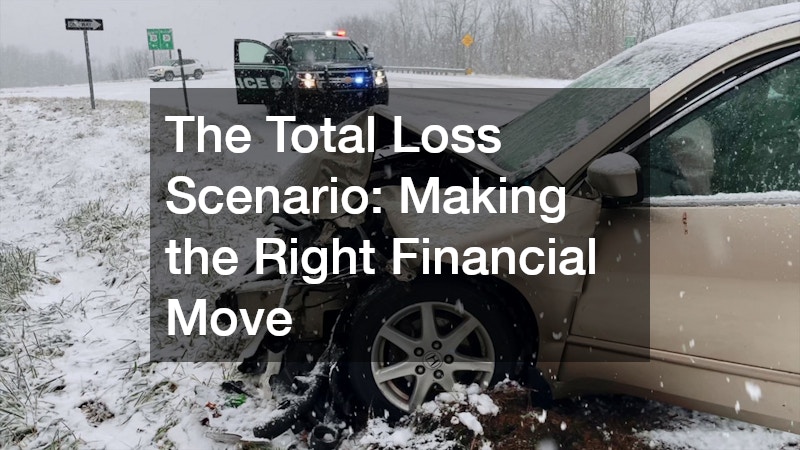
In some instances, the damage sustained during a collision is so severe that restoring the vehicle is no longer financially viable. Insurance companies utilize a specific mathematical calculation known as the total loss threshold to determine whether a vehicle should be repaired or written off entirely. This threshold typically triggers when the estimated cost of parts and labor approaches an established percentage of the car’s actual cash value immediately prior to the accident. If your vehicle is declared a total loss, the insurance company will take ownership of the salvage and present you with a financial settlement equal to the car’s market value. Navigating this phase requires diligent research to ensure the payout reflects the true cost of replacing your vehicle in the current marketplace.
Transitioning to a Replacement Vehicle
Losing a trusted vehicle to a total loss declaration can be incredibly disruptive, forcing you back into the automotive market unexpectedly. When you begin shopping for a replacement vehicle, balancing your budget against long-term reliability is paramount. Finding a high-quality used car is often the most practical, financially sound decision for getting back on your feet quickly without taking on massive debt. When searching for a pre-owned vehicle, always request a comprehensive vehicle history report to verify the ownership history, mileage authenticity, and past accident records. Before finalizing any purchase or signing a contract, arrange for an independent, third-party pre-purchase inspection at a trusted repair facility to guarantee that your replacement vehicle is safe and dependable.
The moments and weeks following an automotive accident are undeniably challenging, testing both your patience and your resilience. From the initial shock of the impact on the roadside to the final signatures on insurance paperwork, the process requires constant focus and informed decision-making. By systematically breaking the aftermath down into clear, logical steps, you can successfully remove the emotional chaos from the situation and protect your well-being. Restoring your life back to normal means refusing to cut corners when it comes to the safety and mechanical health of your vehicle. Relying on certified repair experts, insisting on transparent diagnostic assessments, and thoroughly validating the quality of every repair ensure that your vehicle’s structural integrity is fully restored. When you finally slide back behind the wheel, you can drive forward with complete confidence, knowing that your car is just as secure, stable, and protective as it was before the unexpected occurred.
Ultimately, your automobile can be mended or replaced, but your peace of mind is priceless. Armed with proper documentation and professional mechanical expertise, you will successfully navigate the insurance and restoration processes. Take things one day at a time, lean on trusted industry professionals, and you will soon leave this stressful chapter safely in your rearview mirror.