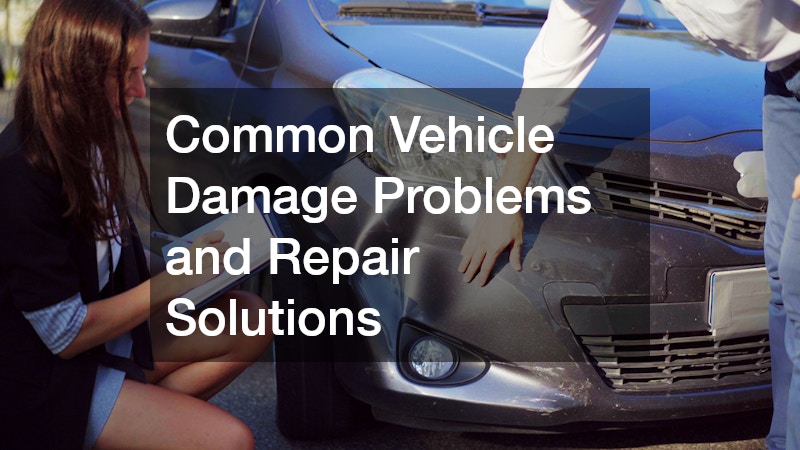
Vehicle damage is something nearly every driver experiences at some point, whether it happens in a crowded parking lot, during a minor fender bender, or simply through everyday wear and tear. While some issues are immediately visible, others develop slowly and can go unnoticed until they become more serious and expensive to fix.
Understanding the different types of vehicle damage—and knowing how repair processes work—can help drivers make smarter decisions, avoid unnecessary costs, and keep their vehicles safe and reliable. From exterior dents to mechanical failures and modern electronic issues, today’s vehicles require a mix of traditional craftsmanship and advanced technology to restore them properly.
This guide breaks down the most common vehicle damage problems, explains how they are repaired, and offers practical advice for choosing the right solutions at the right time.
1. Addressing Exterior Damage After Everyday Accidents
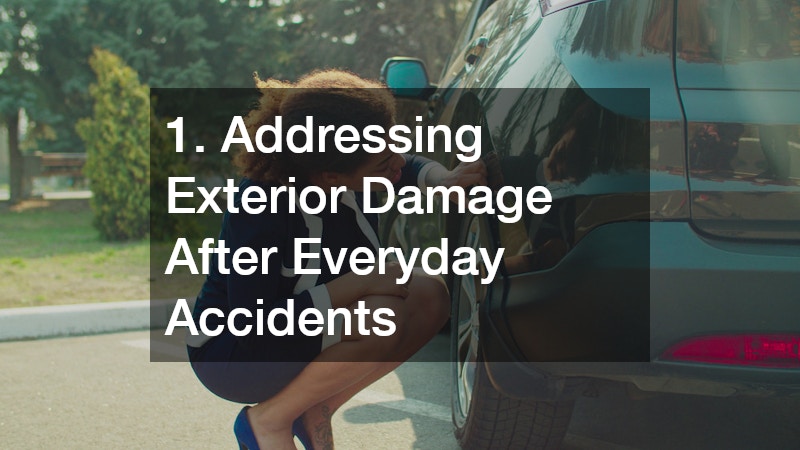
Exterior damage is one of the most common issues drivers face. It often happens during low-speed collisions, parking mishaps, hailstorms, or even minor contact with shopping carts and road debris. While some damage looks purely cosmetic, it can sometimes indicate deeper structural concerns.
One of the most frequent forms of minor damage is surface-level denting. These dents can range from small door dings to larger panel impressions caused by impact. In many cases, professionals use dent repair techniques that restore the panel’s shape without requiring full replacement. Modern methods, such as paintless approaches, help preserve the original paint and reduce repair time.
However, not all damage is superficial. When an impact affects multiple areas of the vehicle, more extensive collision repair may be necessary. This process often involves restoring structural alignment, replacing damaged panels, and ensuring safety systems function correctly after impact.
Key things drivers should know:
- Small dents can often be repaired without repainting if caught early
- Misaligned panels may indicate hidden structural issues
- Scratches that expose metal should be addressed quickly to prevent rust
- Airbag deployment or frame impact always requires professional evaluation
- Even minor accidents can affect vehicle safety performance over time
Prompt attention to exterior damage not only improves appearance but also helps preserve resale value and structural integrity.
2. Finding the Right Professionals for Vehicle Repairs
Choosing where to take a damaged vehicle is just as important as the repair itself. Not all repair facilities offer the same level of expertise, equipment, or customer service, so understanding your options is essential.
Many drivers rely on auto repair shops for a wide range of services, from diagnostics to bodywork and routine maintenance. These facilities vary in size and specialization, but most are equipped to handle general vehicle issues.
For drivers seeking convenience and personalized attention, a local auto repair shop can be especially valuable. These businesses often build long-term relationships with customers, offering consistent service and quicker turnaround times compared to larger chains.
What to look for in a repair facility:
- Certified technicians with experience in your vehicle type
- Transparent pricing and written estimates
- Strong customer reviews and community reputation
- Warranty coverage on parts and labor
- Clear communication throughout the repair process
Additional tips for selecting a repair provider:
- Ask whether they specialize in certain vehicle brands
- Compare multiple estimates before approving major repairs
- Check if they offer digital inspections or photo updates
- Confirm insurance claim assistance if applicable
Taking the time to choose the right shop can significantly impact both repair quality and overall cost.
3. Understanding Internal Vehicle Problems and Repair Solutions
While exterior damage is easy to spot, internal mechanical issues can be more complex and harder to detect. These problems often develop over time due to wear and tear, poor maintenance, or stress from driving conditions.
Common symptoms include unusual engine noises, reduced fuel efficiency, vibrations, or warning lights on the dashboard. When these signs appear, timely intervention is critical to avoid more serious breakdowns.
General auto repair processes involve diagnosing the root cause of a problem and restoring proper function to affected systems such as the engine, transmission, brakes, or suspension. Technicians often use computerized diagnostics to pinpoint issues quickly and accurately.
Comprehensive auto repair services go beyond basic fixes. They may include system-wide inspections, part replacements, fluid flushes, and performance testing to ensure everything operates safely and efficiently.
Common mechanical issues include:
- Brake wear and reduced stopping power
- Engine misfires or overheating
- Suspension damage leading to uneven tire wear
- Transmission slipping or delayed shifting
- Electrical system malfunctions
Preventative maintenance tips:
- Schedule regular oil and fluid changes
- Replace worn brake components early
- Address dashboard warning lights immediately
- Rotate tires to ensure even wear
- Follow the manufacturer’s service intervals
By addressing issues early, drivers can avoid costly repairs and extend the lifespan of their vehicles.
4. Improving Vehicle Comfort, Protection, and Appearance
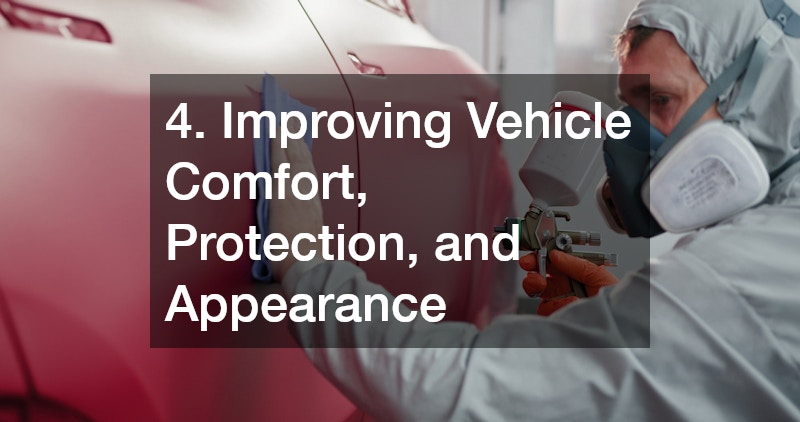
Vehicle ownership is not just about functionality—it also involves comfort, aesthetics, and protection. Many drivers choose to enhance their vehicles after repairs or as part of routine upgrades.
One popular enhancement is car window tint, which helps reduce heat buildup inside the vehicle, blocks harmful UV rays, and improves privacy. Beyond comfort, tinting can also protect interior materials like upholstery and dashboards from fading over time.
Customization and accessory upgrades are also widely available through an auto accessories company. These businesses offer a range of products designed to improve convenience, style, and functionality. From interior organizers to exterior enhancements, accessories allow drivers to personalize their vehicles according to their needs.
Benefits of upgrades and enhancements:
- Improved driving comfort in extreme temperatures
- Increased protection against sun damage and wear
- Enhanced vehicle appearance and personalization
- Better organization and storage solutions inside the cabin
- Potential increase in resale value when upgrades are high-quality
Popular enhancement options:
- Window films and UV protection treatments
- Interior lighting upgrades
- Seat covers and protective mats
- Roof racks and storage systems
- Exterior trim and styling accessories
When chosen carefully, these improvements can make a vehicle more enjoyable and practical for everyday use.
5. Restoring Advanced Systems and Vehicle Functionality
Modern vehicles are highly complex, combining mechanical systems with advanced electronics and safety features. When damage occurs, repairs often extend far beyond what is visible on the surface, since even a minor impact can affect hidden structural points, sensors, or onboard computer systems. This makes modern repair work more precise and technically demanding than in older vehicles, where mechanical issues were more isolated and easier to diagnose.
Professional auto body services play a key role in restoring a vehicle after significant damage. These services focus on structural repair, frame alignment, panel replacement, and refinishing work to ensure the vehicle meets both safety and appearance standards. Frame alignment, for example, is critical because even small deviations in geometry can affect steering response, tire wear, and crash protection performance. Panel replacement and refinishing are not just cosmetic—they also restore aerodynamics, corrosion resistance, and the vehicle’s ability to absorb impact energy correctly in future collisions.
In addition to physical repairs, modern vehicles may require electronic restoration. Many systems that were once mechanical are now digitally controlled, meaning damage can disrupt communication between components. For example, losing or damaging a vehicle’s access system often requires programming a new key fob. This process involves syncing the new device with the vehicle’s onboard computer system to restore secure access and ignition functionality. In more advanced vehicles, this may also involve verifying security codes, updating immobilizer systems, and ensuring compatibility with anti-theft protocols.
Important aspects of advanced vehicle restoration:
- Structural alignment to ensure crash safety standards are met: This involves precise measurements using computerized frame-straightening systems to restore factory specifications and ensure proper crash energy distribution.
- Calibration of sensors and safety systems after repairs: Modern vehicles rely on cameras, radar, and proximity sensors for features like lane assist and emergency braking, all of which must be recalibrated after impact or repair.
- Replacement of damaged electronic modules or wiring: Even minor collisions can damage wiring harnesses or control modules hidden behind panels, requiring careful diagnosis and replacement.
- Reprogramming access and security components: Keyless entry systems, ignition security modules, and anti-theft systems often require software-level synchronization after parts are replaced or reset.
- Ensuring all systems communicate properly after repair: Vehicles rely on internal networks where braking, steering, and stability systems must exchange data in real time without errors or delays.
Key considerations:
- Advanced repairs require specialized diagnostic tools: Technicians often rely on manufacturer-grade scanners and calibration equipment to identify issues that are not visible through physical inspection alone.
- Not all repair facilities are equipped for electronic system work: Some shops may handle mechanical and cosmetic repairs well, but lack the tools or certification needed for advanced electronic diagnostics and calibration.
- Proper calibration is essential for safety features like airbags and sensors: If calibration is even slightly off, it can affect deployment timing or sensor accuracy, which directly impacts occupant safety.
- Documentation is important for insurance and resale value: Detailed repair records help verify that proper procedures were followed and can influence both insurance claims and future vehicle valuation.
As vehicles continue to evolve, repair processes must adapt to include both physical and digital restoration, requiring a combination of mechanical expertise, precision technology, and software-level understanding to return vehicles safely to road-ready condition.
6. Preventing Future Vehicle Damage Through Smart Habits
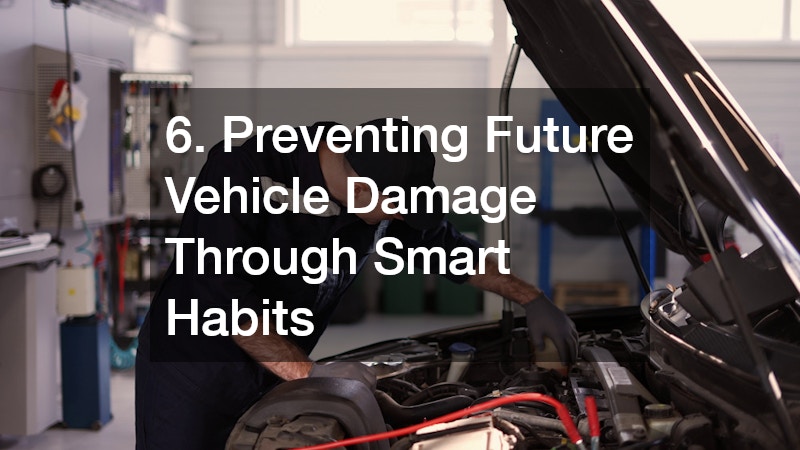
Preventing damage is often easier and more cost-effective than repairing it. Drivers can take several proactive steps to reduce the risk of accidents, wear, and environmental damage. The key idea is that most vehicle issues don’t happen suddenly—they build up over time due to repeated small stresses, delayed maintenance, or avoidable driving habits.
Safe driving habits are the foundation of vehicle protection. Maintaining a safe following distance gives you more time to react to sudden stops, debris, or unpredictable driver behavior, reducing the likelihood of rear-end collisions. Avoiding distractions—especially phone use, aggressive multitasking, or extended in-car adjustments—helps maintain full awareness of road conditions. Adjusting driving behavior in poor weather conditions is equally important; reducing speed in rain, fog, or icy conditions improves traction control and braking distance, which directly lowers accident risk. Smooth acceleration and braking also reduce mechanical strain over time, helping preserve critical components like brakes, suspension, and tires.
Parking practices also play a major role. Choosing well-lit areas not only deters theft or vandalism but also improves visibility when maneuvering in and out of spaces, reducing the chance of scraping nearby objects. Avoiding tight spaces whenever possible minimizes door dings from adjacent vehicles and lowers the risk of misjudging clearance. Being mindful of surrounding obstacles—such as curbs, poles, shopping carts, or uneven pavement—can prevent common low-speed damage that often goes unnoticed until it accumulates. Backing into spaces when safe can also improve exit visibility and reduce the chance of accidental contact when leaving a spot.
Preventative strategies include:
- Regularly inspecting tires, brakes, and fluid levels: This helps identify early warning signs like uneven tire wear, thinning brake pads, or low fluids that could lead to larger mechanical failures if ignored.
- Washing and waxing the vehicle to protect the paint: Dirt, salt, and pollutants can gradually break down the paint and clear coat. A protective wax layer helps shield the surface from UV exposure, moisture, and corrosion.
- Parking away from high-traffic areas when possible: Choosing less congested areas reduces exposure to door impacts, passing carts, and tight maneuvering zones where minor collisions are more likely.
- Using protective covers during extreme weather: Covers can help shield against hail, heavy snow, tree sap, bird droppings, and intense sun exposure, all of which can degrade exterior surfaces over time.
- Scheduling routine maintenance checks: Regular inspections allow professionals to catch developing issues early, ensuring small concerns don’t turn into expensive repairs or safety hazards.
Seasonal awareness is also important. Winter salt can accelerate corrosion underneath the vehicle and around wheel wells if not washed off regularly. Summer heat can strain batteries, fade interior materials, and increase tire pressure beyond safe levels. Heavy rain can lead to hydroplaning risks, reduced braking efficiency, and water intrusion into vulnerable seals or electrical components. Each season introduces unique stresses, so adjusting maintenance routines throughout the year is essential for long-term reliability.
By combining careful driving with consistent maintenance, drivers can significantly extend the life and performance of their vehicles.
Conclusion
Vehicle damage comes in many forms, from minor cosmetic issues to complex mechanical and electronic failures. Understanding how these problems develop and how they are repaired helps drivers make better decisions and avoid unnecessary expenses.
Whether dealing with exterior dents, internal system issues, or advanced electronic repairs, timely attention and informed choices are key to keeping a vehicle safe, reliable, and visually appealing. By working with qualified professionals and staying proactive about maintenance, drivers can protect both the performance and value of their vehicles for years to come.